


Buying Guides and Advice
Buying Guides and Advice

The Top 5 Benefits of a Folding Electric Bike
In recent years, folding electric bikes have become increasingly popular due to their convenience and versatility. They offer a number of benefits that make them a great choice for commuters, travelers, and those who want a more flexible way to get around. In this blog post, we'll explore some of the key advantages of a folding electric bike. 1. Compact and Portable One of the main benefits of a folding electric bike is its compact size. When folded, the bike can be easily stored in a small space such as under a desk, in a closet, in the trunk of a car or even on the back over a motorhome. This makes it a great choice for those who live in small apartments, or who need to transport their bike in a car or on public transportation. 2. Convenient for Commuting Folding electric bikes are also a great choice for commuters. They can be easily transported on public transportation, such as buses and trains, and can be quickly unfolded and ridden to your final destination. They also allow for more flexible commuting options, as you can ride the bike for part of your journey and then fold it up and take public transportation for the remainder. 3. Saves Time and Money Folding electric bikes can save you both time and money. With a folding electric bike, you can avoid traffic jams and crowded public transportation, which can significantly reduce your commute time. Additionally, you can save money on gas and public transportation costs. Plus, cycling is proven to improve emotional wellbeing, so you'll feel even better on your daily commute on a bike. 4. Easy to Use Folding e-bikes are easy to use, even for those who may not have experience with traditional bikes. They are equipped with electric motors that make pedaling easier, and sometimes throttles so you don't even need to pedal at all! The folding mechanisms are simple and intuitive. This makes them a great choice for those who want the benefits of a bike without the hassle of a traditional bike. Their also versatile, often coming with wide grippy tyres and front suspension, you can take your folding ebike on bike paths and gravel roads, or to your favorite holiday destination. 5. Environmentally Friendly Finally, folding ebikes are environmentally friendly. They produce zero emissions, and their use can help reduce congestion and air pollution in urban areas. By choosing a folding electric bike, you can help reduce your carbon footprint and contribute to a cleaner, healthier planet. In conclusion, a folding electric bike offers a number of benefits that make it a great choice for commuters, travelers, and anyone who wants a more flexible way to get around. They are compact and portable, convenient for commuting, save time and money, easy to use, and environmentally friendly. With so many advantages, it's no wonder that folding electric bikes are becoming increasingly popular. Click here to view our current range of Folding Electric Bikes
Read more
A beginners guide to Bikepacking
Bikepacking has had a huge surge in popularity in recent years and New Zealand has quickly become one of the best bikepacking destinations in the world thanks to our mild climate and fantastic choice of trails. Kiwi’s also love adventure and exploring our beautiful country and one of the best ways to do that is by bike!But, to make sure to keep the fun going during the trip there are some essential tips you need to know. Choose your route Anywhere in New Zealand you can find a trail not too far off the beaten path to start your bikepacking journey, if you are just starting out and getting your kit together trying a day trip adventure will help you decide how much gear, food and water you need and how many km’s you are happy doing in a day. One of the best free resources for bikepackers is the nzcycletrail.com website which lists rides around New Zealand from single day adventures to week long epics, they also list grade levels so that you can tailor your experience to a level you're comfortable with. What is the difference between bikepacking and rail trail? Rail trail riding is often a gateway for riders to start their journey into bikepacking, while rail trail rides can be half day to multi-day epics they often come with serviced overnight stopovers or shuttle services to get you back from where you left off. Bikepacking is a much more down to earth approach, similar to hiking you’ll need to carry everything you need along the way from cooking utensils and food, to sleeping gear and tents, adequate clothing and even navigation equipment. Choosing the Bike The Adventure Road & Gravel Bike Thanks to the popularity of bikepacking, there are bikes these days designed specifically for the needs of bikepackers. Gravel and Adventure Road bikes are similar in design to road bikes, with the same dropbar handlebars and shifters made for putting in long distances, but with custom tuned geometry for comfort on a bumpier ride, as well as slightly wider, grippier tyres and accessory mounting points ready to be kitted out to carry everything you need. These are perfect for riders who are already experienced with road biking and want a smooth transition into something more capable of adventuring off the beaten track. One of the biggest bonuses of these bikes is that they are very lightweight and efficient, perfect for putting in long distances on a mix of road and gravel. View all Adventure Road & Gravel Bikes The Hardtail Mountain Bike If you’re looking for something a bit more versatile that can take you further into singletrack and are less focused on putting in long km’s on the clock then even a hardtail mountain bike can be kitted out for bikepacking for a comfortable ride, just keep in mind that these bikes will be heavier due to their burlier design and front suspension for the rigors of trail riding. So choosing a hardtail mountain bike as your bikepacking rig will be less efficient than a gravel bike, sacrificing a bit of weight saving for the option to shrug the gear off and hit the singletrack if the mood hits. There are already tailor made hardtail mountain bikes for bikepackers to avoid needing extra kit-out changes, such as the Marin Pine Mountain which is custom tuned for bikepacking adventures, with extra accessory mounts and custom components for bikepackers while still being a grass roots hardtail mountain bike for afternoon trail sessions. View Marin Pine Mountain The Electric Bike For riders with less gas in the tank an electric bike is a game changer, with the extra pedal power you can enjoy the freedom of riding and exploring with minimal effort. Trekking, hybrid and electric mountain bikes are perfect for bikepackers, they sometimes already come fitted out with lights, mudguards and rear carrier racks for mounting your gear, just keep in mind if you’re going on multi-day adventures you will need to plan your accommodation around your bikes battery capacity or carry an extra battery on board. Electric bikes tailored for city and commuting with smaller batteries are not recommended. Making sure you have an overnight stopover in a serviced accommodation with electricity available to charge your battery overnight is a must do to avoid getting stuck out with a flat battery. View Electric Bikes Choosing your gear Getting your gear right is an essential part of whether you have a great time or a hard time. It’s important to plan ahead with a well thought out gear list, deciding how long you’ll be traveling for and what time of year you’ll be traveling will determine what kind of gear and how much you need to take. A list of important questions to ask yourself are: How will you carry your gear? Panniers mounted on the side of carrier racks for heavier gear, frame bags and handlebar bags add extra out of the way storage space and are great for gear you need to reach quickly. Make sure to choose waterproof or water resistant materials, or pack your gear in a waterproof sack before popping into your bag. Backpacks can also add additional storage but keep in mind a heavy pack can become uncomfortable after a while, a smaller hydration pack is a good option if needed and will allow you to keep hydrated along the way without too much additional weight. Where will you be sleeping? You’ll thank yourself later if you choose a small lightweight tent for overnight stays. Inflatable pillows and sleeping pads are perfect for a comfortable night sleep without extra bulk, while sleeping bags with down filling instead of synthetic will pack down smaller and lighter while offering warmer insulation in case it gets cold. What will you be eating? Small high energy snacks and bars are perfect for keeping energy up during the day, while packing a cooker, pot and utensils for dinner and breakfast will provide a nutritious start and end of your day, hiking meals can be perfect as they are minimal weight and easy to prepare. Making sure to carry enough water is essential to keep hydrated and to cook food or hot drinks if needed, always consider if you will have access to water on your trip and if not carry more than you think you need. What will you be wearing? New Zealand has changeable weather conditions so making sure to bring waterproof clothing for rain is a must to keep you warm and away from the elements. Wear comfortable riding gear and shoes designed specifically for riding. Baselayers and warmers are perfect for chilly morning starts and can be quickly removed if things heat up. Don’t forget the Sunglasses and Sunscreen either. Make sure to pack some comfortable shoes like jandals or crocs for around camp, as well a warm outfit for nighttime. Pack all clothing in waterproof dry bags to keep them away from the elements. What tools do you need? You never know what might happen out there so make sure to keep a roadside repair kit with you. This kit should include a hand pump or co2 inflator, spare tube or tubeless repair kit, multi-tool, chain quick link and tyre levers. Having a basic understanding of bike repair is crucial, if you’re not confident on common fixes consider joining one of our free monthly maintenance classes for club members at your local store. What electronics do you need? The basic kit you’ll want to take with you is good quality bike lights and a smartphone, some riders also like to take headphones along as well. If you are going to be on the road for a few days without a place to charge your electronics, taking a power bank is essential for keeping your smartphone, lights, cycling computer or GPS charged. A personal locator beacon is not an essential, however if you're traveling alone this can be a reassuring option to have if you happen to be caught out without phone reception. What do you need to keep safe? A first aid kit is a must for any bikepacker, this doesn’t have to be a full feature kit if you want to save space, smaller kits are available with plasters, gauze, bandages, tape, pain relief and tweezers. A pocket knife or scissors can also be handy along the way. How to get ready for your bikepacking trip Now that you have your route planned, your bike chosen and your bags packed with all the gear you need. It’s time to hit the road right? Well, before you do, make sure to check your bike thoroughly, things like loose bolts and uneven brake pads can seem like a small problem when heading out, but can become big problems on a long trip with a heavy load of gear. Follow this checklist to make sure your bike is as ready to roll as you are: Check both wheels, are the axles tight, is the wheel true and rolling smoothly between the brakes without rubbing Check your tyre pressure is correct Check all bolts are tight and there are no rattles in your headset Check gears are running smoothly without skipping or sticking Check brake levers are tight and pulling correctly, check pads are not worn or rubbing Check crank and pedals are tight Check the chain is not worn or rusty and is lubed for smooth operation Check your gear has not exceeded your bike and carriers weight limit It’s important to perform these checks before, during and after any big trip to make sure your ride keeps running smoothly for adventures for years to come. If you’re not comfortable making these checks, or if you find one of these checks fail we recommend taking your bike to an experienced bike mechanic at your local bike shop.

Expert Advice: How to take care of your bike 🚲
It doesn't matter if your rolling around on a factory fresh new ride, or knocking about on your favorite Frankenstein bike, all bikes need to be properly maintained to maximize both the life of your components and your fun. We've put together some tips on essential bike care and maintenance to keep you rolling for longer. 1. The Pre-Ride Safety Check Before every ride it's best practice to perform a pre-ride safety check, this should not take more than 5 minutes and covers all components which could have become loose or displaced over time and ensures you can catch small problems before they become big issues down the line. The best process is to work from the front of the bike to the back to make sure you don't miss anything. Both Wheels Check skewers/Nuts are tight Front Wheel Wheel is true (no wobble) & inflated to correct pressure Front Brakes Check brakes are working, ensure wheel is spinning freely with no rub on rotor or calipers Brake Pull Brake levers are secured to bars. Levers pull in correct amount, not too close or to far from the bars Headset & Bars Stem bolts torqued and tight, careful of overtightening or stripping the bolt threads Shifters & Gears / Derailleurs Gears are shifting correctly, no skipping or sticking Cranks Bolts are tight Pedals Greased and tight Seat Post & Clamp Greased & torqued/tight Rear Brakes Check brakes are working, ensure wheel is spinning freely with no rub on rotor or calipers Rear Wheel Wheel is true (no wobble) & inflated to correct pressure Accessories Check bolts on any accessories such as a bell, mudguards and rear carrier are secure 2. Cleaning your Bike A clean bike is a happy bike, as well as a faster one. Regularly cleaning your bike will ensure to maximize the lifespan of your components as well as keeping it looking factory fresh. Firstly you'll need to prep your tools for the job. You'll need: A bucket of water or hose Bike cleaner (or mild detergent in a pinch) Brushes/cloth or sponge Chain lube Clean cloth for wipe down For a premium clean: Chain cleaner, drivetrain & brake cleaner, bike protector spray. Step 1. Find yourself a space to clean the bike, preferably one that won't get muddy. It's easier to clean a bike when it's on a stand than leaning against something where it could fall over. Step 2. Rinse your bike with water to loosen any dirt before spraying down with bike cleaner. After liberally spraying cleaner wait for 5-7mins for the cleaner to take effect and dislodge the dirt particles. Step 3. Use your brush or sponge to scrub the bike, it helps to keep a bucket of water handy to dip the brush in, allowing the brush to stay clean so that you don't end up scrubbing any dirt into the frame or components. Step 4. Rinse the bike down and check that you have cleaned the bike efficiently and not missed any hard to reach spots. If the bike is clean then wipe the frame down with your clean cloth and leave to dry. Some bike protect sprays also help to evaporate residual moisture on the frame, check the directions if you have one and apply to your frame, make sure to cover all braking surfaces before spraying. Step 5. Lubricate your chain using only bike specific chain lube, using things like WD40 will actually gunk up your chain and components rather then help lubricate. When applying lube to the chain, spin the crank slowly while dropping a small consistent amount through the links, then wipe off the excess. 3. Bike Maintenance A well maintained bike will last the test of time, getting into the habit of a pre-ride safety check and ensuring to clean your bike regularly after muddy rides as well as lubricating the chain often will maximize the lifespan of your components. But depending on how hard or often you ride, it is inevitable that things will loosen or become damaged with time or crashes. Small adjustments to be aware of are tyre pressure, gear indexing, suspension pressure, brake pad wear, rotor alignment, brake fluid or cable tension as well as loosened nuts and bolts. To learn how to adjust your bike to be rolling correctly, here at 99 Bikes we offer free maintenance classes for club members once a month across all our stores, simply choose your local store then click to the maintenance classes tab to book in. Big adjustments are best left to the professionals, many a sheepish bike owner has taken on more than they can handle and ended up causing bigger problems for their ride than before they started, it's easy to strip or over torque bolts, while replacing and adjusting brakes and tuning gears can be tricky, things like wheel truing are akin to art and need an expert hand. 99 Bikes offers discounts on all servicing to club members with 7 day workshops across all stores. Regularly servicing your bike is absolutely the best preventative approach to ensure your bike stays in good working order. We recommend a complete service every 12 months, with a standard service in-between when shifting from one season to another. This does depend on the amount of riding you are doing as well, if you are an absolute sender hitting the bike park every weekend you'll need to service your bike more regularly as you'll wear through your components quicker. If you think your bike is due a service, check out our workshop menu and book in with one of our experts at your local 99 Bike store.
Thinking about an E-Bike? Your questions answered
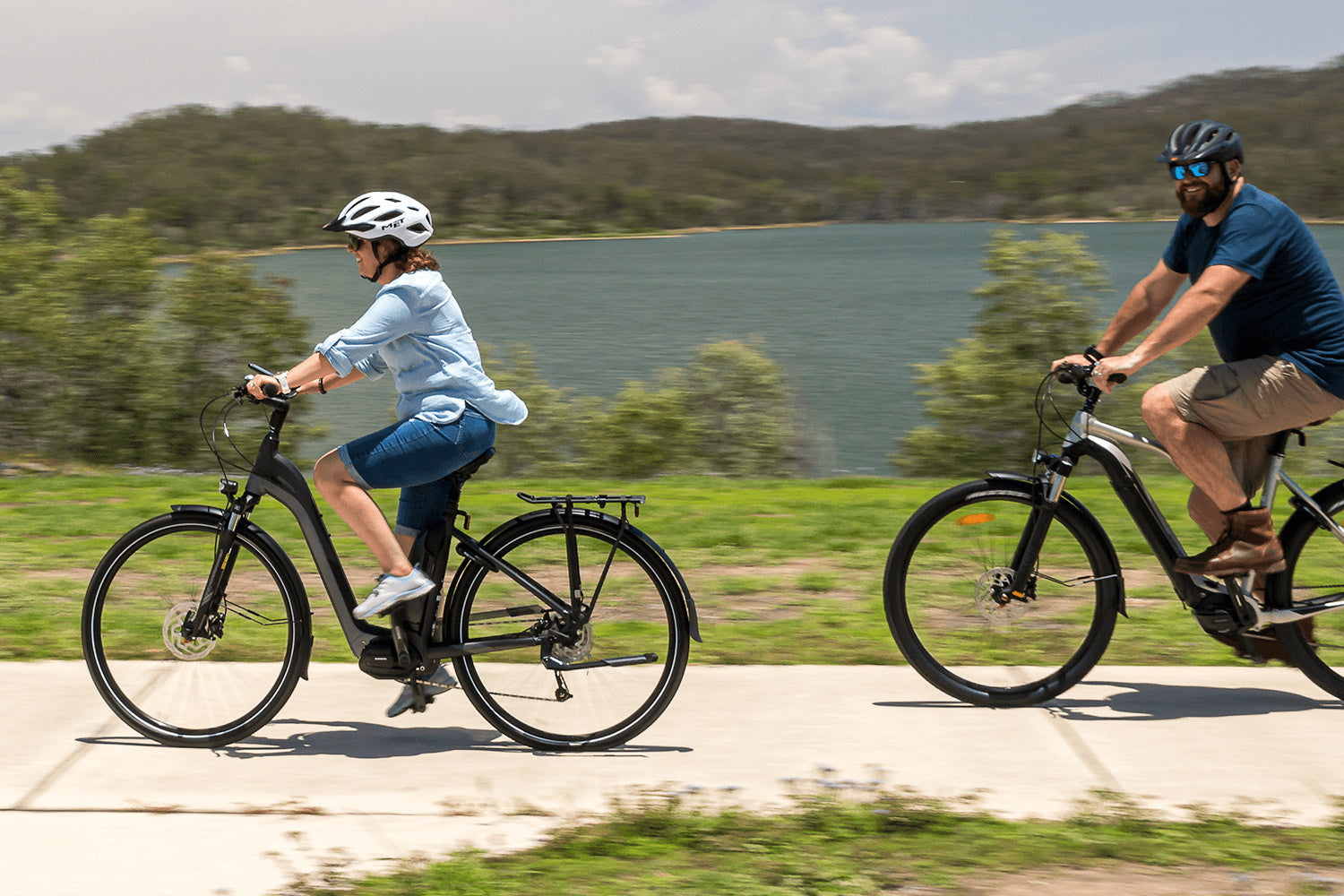
E-bikes are all the rage at the moment and make joining the world of cycling more accessible and enjoyable. However, if you've never owned an e-bike before, or it's just been a while, shopping for a new one can be overwhelming. There are hundreds of styles and lots of technical terms. Thankfully, our experts are here to help and have answered the most frequently asked questions about e-bikes, so you know what to look for. Quick contents WHAT IS AN ELECTRIC BIKE? HOW CAN I UNDERSTAND THE TECHNICAL STUFF? WHAT ARE THE TYPES OF MOTORS? WHAT E-BIKE BRANDS AND TYPES DOES 99 BIKES STOCK? HOW CAN I TAKE CARE OF AN E-BIKE? What is an electric bike? An electric bike is a bicycle that uses an electric motor to provide pedalling assistance. While you do still need to pedal, the motor kicks in to help once you start. It's there to lighten the effort required to pedal and uses a battery pack for power. Most e-bikes allow the rider to choose from varying levels of assistance. A small amount of aid makes your journey a little more effortless, while a higher level of assistance is excellent for tackling hills or cycling into a headwind. E-bikes are all the best bits of riding, with none of the bad ones! Types of E-bikes E-HYBRID An e-hybrid is smooth, fast, efficient, and versatile. These are usually the go-to for commuters, so if you're looking to ditch the car and avoid the traffic, this is the bike for you. SHOP E-HYBRID COMFORT E-HYBRID This bike is similar to the E-hybrid; however, as the name suggests, there is a greater design focus on comfort. These bikes are gentle on the back and perfect for those wanting to take in the sights along the way. As such, they're great for weekend cruising. SHOP E-HYBRID FOLDING E-BIKE Are you caravanning, commuting, have a small car boot or limited storage space at home? Then a folding e-bike is perfect for those tight-fit spaces as they fold down to a compact and convenient size. SHOP FOLDING E-BIKE HARDTAIL EMTB (ELECTRIC MOUNTAIN BIKE) Off-road or on-road, a hardtail EMTB is a great all-rounder. Built with tough, durable parts and boasting a little extra grunt, they are a popular choice with our customers. SHOP HARDTAIL EMTB DUAL-SUSPENSION EMTB A dual-suspension EMTB is ideal for off-road riding and hitting the trails. These e-bikes are built for fun and are just as good going up the hills as they are down. Consequently, they're a brilliant choice if you're looking to get a little rowdy off-road. SHOP DUAL-SUSPENSION EMTB E-ROAD & E-ADVENTURE These are newer types of e-bikes that are rapidly gaining popularity. They're extremely light and produce little to no resistance. This means they are perfect for longer days in the saddle and for riders who want to do most of the work but are after a little extra help in a group ride scenario. SHOP E-ROAD & GRAVEL The Technical Stuff Like many sports and activities, there are a lot of technical terms involved with e-bikes, which can be confusing, especially for new riders. Here's a breakdown of some of the most commonly used phrases and what they mean. Volts (V) The simplest way to think of volts in terms of e-bike performance is the 'horsepower' of the battery/motor. E-bike batteries typically come in 24V, 36V and 48V options. So again, like horsepower, more volts equals more power. Vroom vroom! Amp-hours (Ah) Amp-hours (Ah) is the most common unit for measuring the battery capacity in e-bikes. Comparing it to a car, think of it as the size of the petrol tank. Therefore, the more amp-hours a battery has, the longer the range (distance) you'll get from your e-bike. Watt-hours (Wh) Sometimes battery packs are quoted in watt-hours (Wh). For example, Bosch batteries are available in PowerPack300 and PowerPack400 options, which refers to the watt-hour capacity of the battery. Watt-hours are a measurement of energy content, so a higher watt-hour rating will generally mean a longer range. However, this also depends on voltage, but it only needs some quick maths to work it out yourself. The formula is voltage multiplied by the amp hours equals watt-hours (V x Ah = Wh). For example: Bike #1 has 24 Volts and a 20 AH battery = 480 watt-hours. Bike #2 has 48 Volts and a 10 AH battery = 480 watt-hours. Despite the differing numbers, both bikes have similar energy on board. Therefore, if they have roughly equal motors and riders, they will likely perform similarly. However, a higher voltage bike may accelerate faster and climb better at the expense of some of that energy. Torque (nm) rotational force Torque is the measurement of power (rotational force) going through the cranks. It's usually measured in newton-metres (Nm), and on e-bikes, the torque can vary from 30Nm up to 95Nm. The higher the number, the less you have to use your legs. Once you start moving the pedals, sensors detect the amount of load you're putting in and adjust the amount of assistance delivered to help you pedal. You can also change the amount on the head unit, but the higher the assistance level, the more power the bike will consume. So, controlling the assistance can extend the battery life in a ride. Watts (Power) Watts are the measurement of the potential power the electric motor can generate. Think of it like the engine size in a car. The higher the wattage, the more energy it can produce to assist you pedal. Cyclists will often measure and track their power performance in watts. For example: A 500Wh battery running a 250W motor at the maximum output will last 2 hours (500Wh divided by 250W equals 2 hours). Using the same battery but averaging 125 watts will now last 4 hours. How much effort the rider contributes or the mode selected drastically impacts the battery range. What's the difference between watts and torque? A racing car needs power (watts) to go fast, while a truck needs torque to tow a heavy load. Imagine two vehicles with the same weight and the same power are travelling at the same speed and start going up a hill. The one with less torque will have to change gear first. Higher torque is excellent for EMTB motors since you're more likely to be going uphill on steeper terrain. Additionally, e-bikes are limited to 250watts and 25km/h, so a bike with more torque will hold that 25km/h speed for longer as the hill steepens. What range can I expect out of an e-bike? Several factors impact the range you'll get out of an e-bike. This includes the rider's weight, the mode you choose, the revolutions per minute (RPM) of your pedalling, the terrain you're riding on, and the wind. Most manufacturers will provide a general indication of the expected range, but it can vary. For example: Velectrix foldaway has 313Wh (front hub drive) and a range of 30-40kms Merida eSpresso City has 500Wh (mid-drive) and a range of 60-90kms Cube Stereo Hybrid 160 HPC has 625Wh (mid-drive) and a range of 40-120kms Norco Sight VLT has 900Wh (mid-drive) and a range of 80-200kms What is the difference between pedal assist and throttle control? All electric bikes operate with pedal assist. However, some models have an extra throttle on the handlebar, which you can use to engage the motor – similar to pressing down on the accelerator in a car. What are the types of motors? There are three main categories of motors: front hub, rear hub and mid-drive. Some motors will perform better on hilly terrain, while others will be more economical and suited for flat riding. Generally, the higher the torque, the better the steep terrain performance. Front Hub A front hub motor sits in the hub of the front wheel. Think of it as similar to front-wheel drive in a vehicle, with torque that 'pulls' the car along. Pros The cheapest and simplest option Suits throttle-controlled e-bikes It gives riders the option to not pedal at all Cons There can be a loss of traction on the front wheel when travelling uphill It has a lower battery range if you're not pedaling Rear Hub If a front-hub motor sits in the front wheel, then the rear-hub motor sits in the back wheel. Again, the equivalent in a car is rear-wheel drive, where the torque in the back 'pushes' the vehicle forward. Pros You'll have improved traction through the rear wheel There's constant power output regardless of pedal input It provides a better drivetrain life compared to mid-drive Cons It makes the rear very heavy, which affects handling There is increased stress on rear spokes and wheel It's trickier to replace flats Mid Drive Hub The final option is a mid-drive motor mounted between the pedal cranks. It applies power directly to the chain, moving the wheels. Pros It provides effective use of gear ratios as power comes from the crank There's better weight distribution, and it doesn't affect unsprung weight on the suspension It provides the easiest access to the rear wheel It has the most "natural" riding feeling Cons There is increased strain on the drivetrain from increased power through the crank It's generally only available in a single chainring option It's more expensive than a hub drive What E-bike Brands do we stock at 99 Bikes? We have a wide range of electric bike brands available with different specs and price ranges. Brand Price Range Type of e-bikes Motor Expert comments Merida $3,000-$15,000 CommuterCityHybridMTB Shimano Merida is a leading global brand with high-quality bikes made with German engineering Norco $4,000-$15,000 CommuterCityHybridMTB Shimano Norco is a passionate Canadian company designing sporty bikes that are tested in the backwoods of Canada Cube $3,500-$12,000 CommuterCityHybridMTBCargo Bosch Cube is the cool kid on the block, with German engineering and incredible value Watt Wheels $2,500-$4,500 CommuterCruiserHybridTrekkingFolding Bafang and Dapu Kiwi owned company who develop bikes specifically for the NZ market. Excellent rail trail and trekking bikes. Velectrix $2,000-$3,000 CommuterHybrid Bafang Australian brand Velectrix offers well-engineered e-bikes at great value prices. Hiko $2,400-$3,500 CommuterCityHybridMTBTrekking Bafang and Dapu Hiko manufacture comfortable and functional ebikes for the NZ market with quality components and affordable prices. Taking care of your E-bike How often do I need to service an e-bike? How often you need to service your e-bike will depend on how much riding you're doing. However, you should do it at least once a year, or every 1,000kms, depending on how and where you use your bike. Don't hesitate to chat to your 99 Bikes mechanic for tailored advice if you're unsure. Regularly servicing your e-bike improves the longevity, ensures it's safe to ride, and checks that none of the parts are worn out. Services can also include firmware updates that enhance the smart functions, improve features, and add performance. Can I ride my e-bike in the rain? Yes, a little rain is fine for most e-bikes, but avoid deep puddles that will submerge the motor and battery – if it's flooded, forget it. Typically more expensive e-bikes handle wet weather conditions better due to superior electronics engineering. How do I look after the battery? As the battery is the single most expensive component on an e-bike, here are some helpful tips to get the most out of it. Avoid leaving the battery stored in hot temperatures, including in your car. In temperatures over 35 degrees Celsius, the battery may turn itself off due to overheating Try not to deplete the battery fully, as this will cause the battery voltage to drop below safe levels, which, in turn, can cause irreparable damage to the cells During long periods of storage and non-use, keep the battery about 2/3 (60%) full and top it up for two hours every eight to 12 weeks How do I charge my e-bike? If you have access to a powerpoint, you can charge your e-bike battery. Some e-bikes have batteries that you can detach for convenience but can also be charged on the bike. It's important to always use the supplied charger. How long does it take to charge the battery? The charging time depends on the battery. However, a battery typically reaches 70-80% charge in three hours, and to charge it fully, allow three to six hours. How much does it cost to charge an e-bike? One of the best things about an e-bike is the low running cost – the total amount to charge a typical battery is less than 15 cents! Can I buy an additional battery? How much do they cost? Yes, all the brands we carry have replaceable batteries, and some can be upgraded to a higher capacity for a greater range. Bosch and Shimano also have excellent faster-charging options available, which can be a great alternative to purchasing a spare battery. When it comes to pricing, Velectrix batteries range between $500-$800, while Bosch and Shimano range between $900-$1800. What is the warranty for my e-bike? Most e-bike motors and batteries (Shimano, Bosch and Velectrix) are covered under a two-year warranty. How much does an e-bike weigh? E-bikes are heavier than your standard bike and usually range between 18-27kg depending on the model, motor and battery. So you might need to consider this higher weight when choosing the right model for you. Does my e-bike have a "Walk-Assistance" function? Yes, most of our e-bikes have this handy feature. It provides a minimal level of power to make it easier to walk your bike around obstacles or push it to a particular location (such as out of the office and to the street). How you activate this function depends on the brand. Now that you have the low-down on e-bikes and are feeling inspired, head into your local 99 Bikes store to speak to the experts. They'll be able to give you even more information and set you up with a free test ride so you can try one for yourself!

Electric Bike Buying Guide: How to choose the right ebike
Just like normal pedal powered bikes, electric bikes come in all shapes and sizes to suit every type of riding there is. But it can be confusing for a first-time buyer to identify exactly what they need to ensure they get exactly the right ebike to suit their lifestyle. Read 99 Bikes top tips below to help you make the right choice, or pop in-store to speak with one of our ebike experts and receive a free bike fitting. Understanding the options: City and Commuter Electric Bikes: You’ll recognize these bikes from their easy-entry frames, the very low step through design is perfect for inner city riding where riders must start and stop often, such as at a traffic light. They are comfortable, with an upright riding position perfect for seeing the way ahead while navigating through traffic and busy streets. Sometimes kitted with rear hub motors, and other times with mid-drive motors, these bikes usually have moderate capacity motors and batteries, they aren’t built to be speed machines, they are built to be reliable and to get you, and your things, where you need to go. Almost always coming ready fitted with Lights, Mudguards and a Rear Carrier Rack, City ebikes are easy to use, comfortable, and affordable. Click here to view 99 Bikes range of Electric Commuter Bikes Hybrid Electric Bikes & Commuter Electric Bikes: Designed as the do-it-all option for cyclists, commuter and hybrid ebikes cover a wide range of riding applications, from fitness and leisure rides to the daily commute and adventures further afield on rail trail rides and singletrack. Sometimes referred to as trekking ebikes, bikes in this category often feature comfortable geometry, with a focus on pedaling efficiency, power and speed. More suited to longer journeys and bigger hills than the city bikes, hybrid and commuter ebikes usually offer larger capacity batteries and motors, while still having mounting options for things like carrier racks, luggage and bike packing accessories, making them one of the most versatile and customizable options available, allowing you to swap from the daily commute to a trail session on the weekend. Click here to view 99 Bikes range of Electric Hybrid Bikes Electric Mountain Bikes: Falling into two main categories, hardtail electric mountain bikes and full suspension electric mountain bikes, the decision on which is right for you depends on the type of trails you enjoy riding most. Hardtail ebikes are the most versatile of the two options, equally at home on the daily commute as they are chomping singletrack, featuring efficient designs with trail focused geometry, hardtail ebikes are characterized by clean designs with high-capacity motors and batteries and mountain bike specific components that ensure they are extremely reliable and durable. Full suspension ebikes are for riders who like to take their trail adventures to the next level, often known as all-mountain electric bikes, these beasts are built to take a beating, the longer travel front fork and the addition of a rear shock mean these bikes can tackle huge jumps and drops, with high quality components and often the largest capacity motors available, the extra torque is perfect for making it up the steepest hill climbs, so that the rider can bomb back down and then do it all over again. Click here to view 99 Bikes range of Electric Mountain Bikes Things to consider: The motor: Most ebikes on the market have motors 250w or 300w, legally ebike motors cannot exceed 300w to remain classed as bikes and not mopeds. city ebikes and some hybrid ebikes will often have smaller 250w motors, while trekking and trail focused ebikes will have larger 300w motors to tackle the more challenging terrain. European assist speeds are legally limited at 25km/h, however in New Zealand this is upped to 32km/hr and most ebikes available here will have this as their top assist speed. There are also throttle assist options available on the market which can exceed this limit due to a legal loophole which does not define specifics about throttle powered ebikes, though suggestions of reforms are on the cards as ebike become much more common. There are several motor brands which dominate the ebike world. Those are Shimano, Bosch, Brose, Dapu and Bafang. Within each brand is a range of options depending on the type of bike they are fitted on. For example Shimano, which is the most commonly used motor brand, offers the E5000 (40Nm max torque), E6000 (50Nm max torque) and E6100 (60Nm max torque) respectively for City, urban and trekking ebikes. The E7000 (60Nm max torque) and E8000 (70Nm max torque) for trail and mountain ebikes, and the new for 2021 EP8 (85Nm max torque) for their all-mountain and enduro electric bikes. So how much torque a motor has, which is the measurement of the rotational force applied is a very good indicator of how powerful the motor is. The battery: Ebike batteries can be quite confusing at first, because there are a few measurements to consider, with voltage (V), amp hours (Ah) and watt hours (Wh) all used to describe the size of an electric bike battery. To simplify, voltage is the measurement of tension and potential power, amp hours is the measurement of the battery capacity, think of it like the fuel tank, and watt hour is the combined value of voltage and amp hours. Determining the watt hour is found by multiplying the voltage (usually 36v or 48v) with the amp hours (such as 10.4Ah, 13Ah and 17.5Ah). For example, a 36V x 17.5Ah battery comes to 630Wh and a 48V x 13Ah battery comes to 624Wh, so while the watt hours are nearly identical, the first battery will likely have a longer range with less power output compared to the second battery which may have a higher power output and a shorter range. So the range and power output of an ebike battery can be quite varied, and the expected range is also dependent on the battery consumption of the motor, the weight of the rider, and how the riders uses the different assist levels. The components: Aside from the motor and battery, the components are what make an ebike. As ebikes have become more and more common, leading component manufacturers have designed ebike specific parts, these parts are burlier and stronger than standard bikes, the emphasis not on making the parts as light as possible, but on making them durable enough to stand up to the extra force applied. Most ebikes also have 1x gear ratios, where as standard bikes have anywhere from 1x, 2x and 3x, so only have one sprocket up the front, this is because it is not necessary to have those additional gears thanks to the motor assist power. City bikes will generally have less gears, about 7-8, while e-mountain bikes generally boast around 10-12 to ensure they can tackle the steeper terrain in a comfortable way for the rider. Choosing the frame: ebikes come in all shapes and sizes, so determining which is the right size for your height is only one part of the process. Different frame designs cater to different riders, and the type of riding they are doing. Easy-entry frame designs are most common on city and hybrid ebikes and remove the top tube all together, which creates the ability to simply step over the frame and slide backwards onto the saddle, this design is ideal for elderly riders, or the less physically capable as there is no balancing or straddling required. Low top tube frame designs are common on hybrid and hardtail mountain ebikes, while the top tube is included, it dips down allowing for an easier mounting as well as quick stops, perfect for inner city riding where you may stop and start often or the geometry of shorter riders, particularly ladies who tend to have longer torsos and shorter legs compared to men’s geometry. Lastly, standard top-tube profiles are the most similar to ‘normal’ bikes and tend to have geometry less comfort focused and tailored more to speed and efficiency.

Which Marin Bike is Right for You?
Marin has been producing world-class mountain, road, and recreational bikes since 1986. Over the years, the brand has developed a reputation for quality and innovation. Marin bikes make the most of durable materials such as carbon, aluminum, and steel in the production of their frames to provide customers with a safe and reliable ride. Learn more about their impressive range below and discover which bike is right for you today! What are the options? Marin offers a wide range of bikes for every type of rider, whether you are a beginner or a professional mountain biker. From full-suspensions and hard tails to fitness & commuter options, there is something for everyone in their versatile collection. Full Suspension Marin is a world-leader in full suspension mountain bikes. Their multi-trac suspension range provides superior suspension performance, along with greater efficiency and control. These bikes are ideal for any rider looking to make the most of the trails and gain maximum pedal power, with small bump compliance. Hard Tail Marin has been an innovator in hard tail bikes since their debut in 1986, so there is a lot to choose from here. Hard tail bikes are well suited to beginners and experienced riders, whether you’re looking to travel cross country, hit some jumps, or ride challenging trails. The El Roy range is specifically designed for downhill trails – the steel hardtail will get you to the top effortlessly and provide a smooth ride on the way down. If you’re exploring single-track trails, the Bobcat Trail is a solid option thanks to its modern trail geometry build. Hybrid Models: Fitness/Transit Marin was one of the first companies in the world to offer hybrid bikes. They have an impressive line-up of flat bar models, including the Kentfield range, the DSX 1 & 2, Larkspur 1 & 2, and Muirwoods. These hybrid fitness & commuter bikes can be used for both your daily commute and your weekend exercise regime. Drop Bar Drop bar bikes are designed for speed and efficiency on the road. But the Marin Drop Bar isn’t your typical road bike. With the ability to handle tough gravel, they will take you far beyond the road. They are great for fitness training, triathlons, racing, and much more. Marin Bikes for Kids: The Junior Range Marin offers an extensive range of junior mountain bikes that the kids will love, including full suspension bikes. The junior Rift Zone range is designed for kids who want to push the boundaries of what they can do and keep up with the adults. Explore the Marin Range at 99 Bikes Find quality Marin bikes for sale in NZ right here at 99 Bikes. If you need assistance choosing the right model, send us a message or visit us at your local store in Auckland, Christchurch, or Wellington. Our friendly sales team will help you find the perfect fit!

The Best Bikepacking Gear: A Guide For Beginners | 99 Bikes
Bikepacking blends all the benefits of minimalist camping and mountain biking to give you an unbeatable sense of freedom and adventure. You simply take your bike, add all of the gear you need to camp, and set off exploring! For the best bikepacking experience, it’s essential that you put together the right kit. Whether you’re on a budget or after the latest hi-tech gear, New Zealand is one of the best places to explore on a bike. Keep reading to get your bikepacking gear sorted! BIKES When it comes to bikepacking, almost any type of bike will work. With a few small adjustments to your current bike, you can be all set up for your next adventure. Hardtail mountain bikes are generally considered one of the best options for beginner bikepacking as their off-road capable rigid frame can support heavy loads, while their tough and grippy tyres can help you tackle any terrain. Hardtail mountain bikes are extremely versatile and come at an affordable price. They usually come with disc brakes which offer excellent braking control and power in any weather, especially if you’re carrying a heavy load. While mountain bikes are preferred for those who like to take their adventures further off-road. If you prefer to mix road with off-road, you may be interested in an adventure road bike, these bikes often have drop-bars and lightweight efficient designs, with sturdier gravel specific components and more mounting points for accessories compared to traditional road bikes. Ultimately, you will want a bike that will make your life easier, giving you a comfortable ride and requiring minimal maintenance while you’re travelling long distances across varying terrain. BAGS Cycling bags are an essential part of any bikepacking kit, and the combinations are endless. You can build your setup to suit your situation, with saddle bags, frame bags including handlebar bags and top tube bags, backpacks, hydration packs, and pannier bags all being great options. Bikepackers often carry the same gear as backpackers, plus some tools and spare parts. The benefit of bikepacking is that you can carry your gear on your bike, as you don’t want to carry large loads on your back for days at a time while you ride. For a balanced ride, load your bike up evenly and make sure your kit is as low as possible for improved handling, comfort, and enjoyment. Bikepacking bags are a great investment as they increase the amount you can carry and they fit your bike with ease, reducing any annoying rattling sounds when you are enjoying the peaceful quiet of the great outdoors! The key is to minimize how many items you’re taking so that you can simply enjoy your bike riding. BIKEPACKING ESSENTIALS When it comes to the essentials of bikepacking, it depends on what type of journey you're after. Are you embarking on a multi-day bike tour, or just a single day bikepacking trip? To start with, think of the basics you need for everyday life no matter where you are. Food, water, shelter, and clothing are a good place to start. Food is fuel when you're bikepacking and it’s one area where you can get away with packing more than you need. Pack long-lasting foods that will power your rides such as dried fruit, nuts, granola, canned meats, vegetables, and stews. You should also take advantage of specialist cycling nutrition products like gels and bars that will give you a powerful energy boost without taking up much space in your pack. Shelter is critical to an enjoyable multi-day bikepacking trip. Start with a reliable and waterproof sleeping bag and pillow or sleeping pad, then build out your sleeping kit from there. You can use a tent or hammock for shelter but if you want to sleep under the stars you're all set to go with just your sleeping bag. Water can be carried in several different ways while bikepacking. The most simple and convenient way to carry water is by adding some lightweight bottle cages and water bottes to your bike to take the weight off your body. The other option is a hydration pack, giving you access to water at any time. Quality riding clothing will help keep you warm, cool, dry, and comfortable. You want reliable, moisture-wicking, and versatile clothing layers that you can easily add or remove depending on the weather. The list of clothing options is seemingly endless, including arm and leg warmers, base layers, gloves, jackets, vests, cycling jerseys, knicks, shorts, socks, shoes, headwear, and sunglasses. How you tackle this is dependent on you and your environment. BIKEPACKING ACCESSORIES There is no end to the accessories you can take on your bikepacking adventure, but in our experience the following items are most helpful! 1. Navigation is an essential part of bikepacking. Whether you want to use a GPS Bike Computer or a physical map, it's important to have a route mapped out so you don't end up lost. 2. Lights are essential on any bike, however when you're bikepacking it's more about seeing than being seen. A powerful light that can double as a flashlight when removed is always handy. 3. Bikes maintenance kits are essential, but it can get difficult when deciding what to bring. Start with a puncture repair kit and spare tubes, a pump for inflation, and multi-tool, then expand to add a chain tool and extra chain links if you have space. While you're at it, add a repair kit for yourself, you never know when you'll need a medical kit on your bike ride. Reliable bikepacking gear for your next adventure Once you have the gear sorted, you can start dreaming up your next bikepacking adventure! There are many exciting bikepacking routes to try out in New Zealand, such as the renowned No.8 Wire North Island track and the Old Ghost Road route which traverses the beautiful South Island backcountry. Get everything you need for an epic bikepacking adventure from 99 Bikes! Browse our mountain bikes for sale in NZ online or visit one of our stores in Auckland, Rotorua, Wellington, or Christchurch today!

The real benefits of Indoor Bike Training
Are you looking for a way to keep up your fitness and have fun exercising when the weather is less than stellar? Indoor bike trainers offer a range of benefits, whether you’re an experienced cyclist or a beginner looking to break a sweat indoors. Keep reading to learn more about the advantages of indoor training so you can keep up your riding mojo over the cooler months! 1. Time-efficient training Indoor training is ideal for those with a busy schedule. Once you set up your indoor trainer, all it takes is a little motivation to get on the bike and you’re away! You can wake up and get a ride in before work or schedule an evening session, without having to worry about either driving to your starting point or riding to find a suitable area for speed training. 2. Fewer interruptions When riding outdoors you are bound to experience some interruptions, whether that comes in the form of traffic, intersections, or just having a chat with your cycling buddies! Indoor training removes these external factors so you can focus on your performance. This also means you can plan your sessions more specifically, as you know your one-hour ride won’t turn into a two-hour expedition thanks to unexpected distractions. 3. Avoid unpleasant weather A key reason to invest in a bike trainer is so you can keep investing in your health and fitness in winter! While outdoor cycling in winter can be a great idea, sometimes it can be too stormy, wet, or windy to have an enjoyable and safe ride. That’s when the indoor trainer becomes a valuable addition to your cycling routine. You can get the same rush of endorphins and maintain your fitness without having to battle the blustery conditions! 4. More control over your goals For serious riders who want to track their progress towards a specific goal, smart trainers are the way to go. These bike trainers use software to customize your ride so you can control aspects such as incline, sprint resistance, and much more! The technology allows you to measure your progress which is a big help when getting ready for a race or event. 5. Entertainment options The rise of smart trainers has also seen a rise in apps that take indoor cycling to the next level. Virtual reality apps such as Zwift connect your trainer and your device, so you can take part in simulated races against other users. This is a fun way to get your workout in while also feeling connected if the weather is stopping you from riding with your usual group. If mixing cycling and gaming isn’t for you, you can keep it simple by popping your indoor trainer in front of the TV or pumping some tunes while you get your KM’s in. For those who want to tick off two tasks at the same time, we have an indoor cycling desk available so you can work and ride at the same time. 6. Improve your form Using an indoor trainer allows you to hone your cycling skills in a comfortable environment. It’s a great way to improve your fitness levels so you can tackle that outdoor ride you’ve been fantasizing about with more confidence! Cycling indoors also gives you the chance to focus on form in terms of posture and pedal stroke. This will then translate to a smoother outdoor ride when the weather perks up! Get all the indoor cycling gear you need from 99 Bikes Our bike shops offer a wide range of indoor bike trainers, so you can get your home routine off to an epic start! If you’re looking for smart trainers, we have equipment with the latest technology from Wahoo, Tacx, Saris, and more. We also stock the Stages Smart Bike for those wanting a permanent addition to the home gym that provides a realistic road feel. Shop online or in-store today to get all the gear needed for an awesome indoor riding experience!

Hot Tips for Riding in Winter
You may not realize it, but winter is a great time to ride your bike. The crisp weather often makes for some stunning winter scenery and there are also many health benefits of riding in the cold. You’ll burn more calories, train yourself to breathe more efficiently, and elevate your mood!To enjoy these health benefits and get the best out of your winter ride, we’ve compiled a list of tips for cycling in winter like a pro. Keep reading to learn more. DRESS FOR SUCCESS A great winter ride starts with the right cycling clothes. It’s important to keep the different parts of your body warm so you can cycle efficiently and enjoy your time outdoors. Headwear: Most of your body heat escapes from your head, so good headwear is essential. A beanie under your helmet, a head warmer, or a headband will definitely keep your head warm on those brisk winter night rides. TORSO: Multiple layers are the way to go. Some of the best winter cycling garments to protect your upper body are: Cycling jerseys: The best cycling jerseys allow airflow to prevent sweat from accumulating. They are slightly longer in the back to keep you covered while in your riding position and have rubber stoppers around the hems to keep the jersey in place. Cycling vests: Vests help you stay warm and dry. A good cycling vest is lightweight and compact, windproof at the front, and has good ventilation at the back. Cycling jackets: A fundamental part of your winter bike riding gear. They’re light, but still provide a good level of warmth and protect you from the wind and rain. Arm warmers: Arm warmers are a practical way to stay toasty. Once you’ve warmed up, easily slide them off and tuck them in your pocket. Leg and knee warmers: are great additions to any winter riding kit, as they allow you to keep your lower half sheltered from the cold and can easily be removed once you have warmed up or if the weather changes. HANDS AND FEET Your extremities get cold quickly when you ride your bike in winter, so it’s important to have the right gear to keep them insulated. Winter gloves: Bike gloves cover your hands, protect them with additional padding, and let you ride comfortably. Cycling socks: Cycling socks are made with fabrics that control moisture, so they keep your feet warm and dry. Shoe covers: Otherwise known as overshoes, shoe covers help to protect your feet from wet and cold conditions during winter riding. BOOST YOUR VISIBILITY Days in winter are shorter and darker, so even if you’re not planning to ride during the night, it’s important to increase your visibility to other road users. Bike Lights: When you’re riding your bike you must be able to see properly, and be seen! You will need a front bike light, a rear bike light, and reflectors to keep yourself and others safe. Remember that having proper lights on your bike is not just a good idea; it’s the law! The New Zealand Cycling Code states: “You must use lights between sunset and sunrise, and at any other time when you can’t clearly see a person or vehicle 100 metres away – about the length of a rugby or football field. You must have one or two front lights on your bike. Only one front light may flash. Front lights must be white or yellow. You must have at least one rear light. Any rear light may flash. Rear lights must be red.” We have all the lights needed to comply with these rules, so you can make sure your bike is all set for safe early morning or evening rides. PREPARE YOUR BIKE Making sure your bike is in safe working condition in winter is a must. There are a few things you can do to keep your bike in good shape during the winter months, including: • Make sure your bike tyres are in good condition or even consider getting a new set to assure maximum grip during your winter bike rides. • Clean your bike after every ride. Make sure you have the right cleaning products to keep all your bike components clean and lubricated. • Before winter starts it is a good idea to take your bike for a service and a thorough tune-up at your local 99 Bikes location. KNOW YOUR ROUTE It’s always beneficial to plan your route before you go for a bike ride. This is particularly important during winter rides, as some roads can be more affected by winter weather conditions and you may find yourself caught in the dark if you ride in the evening. We recommend using the Google Maps bike routes feature. TAKE CARE OF YOURSELF Make sure your normal cycling nutrition and other routines don’t go out the window in winter! Even if it’s cold it may still be sunny, so apply sunscreen to any exposed skin and keep properly hydrated. TRY AN INDOOR BIKE TRAINER Indoor bike trainers are a great cycling alternative if the weather isn’t ideal. Our smart trainers deliver a realistic ride feel with incredible stability and power. Whether you need to keep up your training regime or want to enjoy a fun workout, indoor trainers are the perfect winter cycling solution! Ride safely this winter with quality cycling gear from 99 Bikes Make sure you have everything you need to cycle safely this winter. At 99 Bikes, we have all the bike accessories needed to get yourself and your bike ready for the colder months ahead. If you are looking for advice about a product, our team of cycling experts are always happy to help. Head into one of our stores across the country or shop online today!

The Benefits of Cycling to Work
There are so many benefits to adapting your commute to include cycling. It’s great for your mental and physical health, good for your pocket and helps the environment! Commuter bikes are designed to provide a comfortable ride on the road, with soft suspension, great saddle orientation, and buttery gears. If you’re considering making the most of your commute, picking up a commuter bike is the best possible way. Below, we dive deeper into how cycling to work every day helps both you and your surroundings! Read on to find out more. CYCLING PROMOTES GREEN SPACES Auckland City - Nelson Street Cycleway Did you know that cycling can have a direct impact on the way your city looks? Here’s why: as more people start to commute by cycling, city planners tend to take that into account, and priotise traffic-free spaces. Quay Street Enhancement. Photo credit: LandLAB-Studio, Auckland Transport New Zealand. As an example, you can already see this happening with the CBD in Auckland—large parts of Quay Street are currently being considered as possible green spaces, where cars won’t be allowed to drive. As more green spaces are created, urban trees and wildlife can increase. It’s no secret that this can lead to better air quality, and even improve the mood of commuters each day. What’s more, an increase in green spaces can also boost urban biodiversity, which can help support local ecosystems. Green spaces that limit the passage of car traffic are also great for noise pollution, which can be an issue for both people and animals alike, in urban centres. CYCLING CAN BE A GREAT SOCIAL ACTIVITY Pedal Uptown DLX 7-Speed Cruiser Bike Light Blue Cycling to work can also be a fantastic way to get to know your co-workers. A lot of regular cyclers see it as a social activity, going out for a ride with friends in the morning or on the weekend. There’s no reason you can’t do this on a weekday too! Cycling as a group to your office is the sort of thing that can really help foster bonds outside of work and give you more in common with your peers. It’s also great for encouraging more people to cycle! The more people join your commute, the more likely it is to build up momentum and become an established initiative in your workplace. CYCLING BENEFITS YOU DIRECTLY! It’s no secret that staying active is good for our physical health. Those who exercise each morning don’t only have better fitness and cardiac health overall, they are also less prone to injury in other sports. If you’re keen on any sport at all, regular exercise during your commute is a great way to further support your training. Cycling is also great for reflexes and balance, joint strength and mobility, not to mention aerobic capacity. And it’s not just your physical health that will improve. One of the biggest benefits of cycling is the impact it can have on mental health—many cyclists find that getting out on the road is a great way to relax, or even meditate. Finally, it’s great for your wallet too. Bikes don’t require fuel, and you’ll be surprised how much you can save on petrol by cutting down on your driving. Even electric bikes can help you save. Plus, they make the commute easier than a standard pedal bike. New Zealand is one of the most bike-friendly countries in the world, with many bike tracks in its urban centres, making it much easier to transition to this way of life. FIND EVERYTHING YOU NEED TO MAKE YOUR COMMUTE A GREAT ONE WITH 99 BIKES!

Top Tech for the Everyday Cyclist
All the best cycling innovation and technology starts at the top with the pros, eventually trickling down to the serious local riders and the hobby cyclists as time goes by. Not all advancements make it down the ladder because of cost or practicalities. However, in the last few years the technology coming from the professionals to the everyday cyclist is getting better and better, as well as being more affordable.Thanks to this pathway from pros to hobbyists, everyday cyclists have access to some amazing gear. With that in mind, let’s cycle through some of the top bike accessories you can use to improve your cycling game. 12-SPEED GROUPSET As bike manufacturers have looked for an extra edge over the years, the number of sprockets on a cassette has increased from 6- through to the 11- and now 12-speed groupsets that are commonly on offer. The simple advantage of this is that you can have a wider selection of gears, with less shifting on the front chainring and a smoother change. While this may have the disadvantage of increasing weight, it can create further mechanical inefficiencies with the front chainring.Many brands have countered this by using a simplified 1x12 speed drivetrain and ridding themselves of the mechanically inefficient front chainring, particularly on mountain bikes. The only other disadvantage is the inability to upgrade easily, as you need 12-speed specific components. Although, happily, these are already becoming cheaper and far more common.If you want to get your hands on a bike equipped with a 12-speed groupset, take a look at the BMC Team Machine SLR One Road Race Bike ELECTRONIC SHIFTING Electronic shifting is starting to gain traction in pro ranks, with groupsets like the Shimano Di2 and Campagnolo EPS making their mark on road scene. Meanwhile, the SRAM AXS is setting the standard in World-Cup-level mountain biking. Electronic shifting offers an increased level of precision as the front mech acts differently depending on the sprocket you’re in, whereas mechanical shifting acts the same every single time. Electronic shifting also gives you quicker shifting as you can shift from one side of the cassette to the other when you hold in the lever. Electronic shifting also prevents chain rub, minimising regular maintenance so that you can spend more time riding your bike.You can upgrade from mechanical to electronic shifting by changing as few as four parts. You’ll be updating the shifters and derailleurs as well as adding the wiring harness and battery if you already have an 11-speed drivetrain. MULTI-DIRECTIONAL IMPACT PROTECTION SYSTEMS (MIPS) Improved safety and technology have trickled down from pro-level bike helmets to the everyday rider, as aerodynamics and safety improve with every passing year. The Multi-Directional Impact Protection System (MIPS) was designed by a Swedish Neurosurgeon to offer the best helmet protection against rotational forces without significantly impacting helmet weight or aerodynamics.This technology is prominent among pro teams, with Australians Richie Porte and Simon Gerrans sporting the innovative GIRO Aether MIPS in recent tours. Professionals are often pushing their limits on dangerous descents and crowded pelotons, so it makes sense that this technology would be utilised by them. TUBELESS TYRES Tubeless tyres have a range of benefits, including improved speed, comfort, grip, and puncture protection. Tour teams have long recognised that they are faster, with less rolling resistance for an overall improved performance.While there are a lot of benefits, there are also a couple of drawbacks, such as being harder to fit onto the bike. In addition, compatibility issues between rim and tyre brands can affect the quality and reliability of the tubeless tyre. Tour level riders make use of tubeless tyres in time trial stages when speed is everything and every second matters. DISC BRAKES While it was once uncommon to see disc brakes on bikes in the Tour De France, now we’re seeing bikes with disc brakes winning mountain stages. Despite the slight increase in weight, many believe that the superior braking power of disc brakes adds that edge when you need more control.Whether it be on race day or your local ride, disc brakes will give you confidence and control that is much better than rim brakes, while also performing much better in the wet, so they not only improve performance but also safety. Merida clearly believe that disc brakes are the way of the future, as their high-performance aero Reacto is only available with disc brakes, a clear sign of the times. Get top-level cycling gear from New Zealand’s most approachable bike store. You don’t have to be a professional cyclist to use top-level cycling gear! Get the best bikes for sale, that New Zealand has to offer, along with the accessories, clothing and helmets to match. Make your riding game the best it can be with 99 Bikes!

The Health Benefits of Riding Electric Bikes
Whether you’re hopping on a commuter bike or boosting your trail ride with some electricity, there are many benefits to riding e-bikes. Check them out here!

How to Choose the Best Kids' Bike for Riding to School
The school year has begun again, and if your kids are old enough, they can start making their way to school! So, which kids' bike is right for them?


